
Searching the Manter Court Docket
Start with a phone call, not a portal. Manter posts no official court page. Treat any municipal court as unconfirmed until the city says otherwise. The League of Kansas Municipalities listing publishes a verified City of Manter contact you can use. Ask two things. First, does a municipal court, a designated judge, or some other lawful arrangement handle ordinance violations? Second, which office holds the register, citation, order, or setting notice?
- Read the issuing authority and court name on the paper.
- Call Manter when a city or ordinance route is indicated.
- Ask who currently handles the matter and keeps the record.
- Use Kansas CaseSearch only if the matter is a Stanton County District Court case.
- Request the exact entry or document and confirm any setting.
The Kansas Department of Administration library holds local public documents, but it is not a live court search.
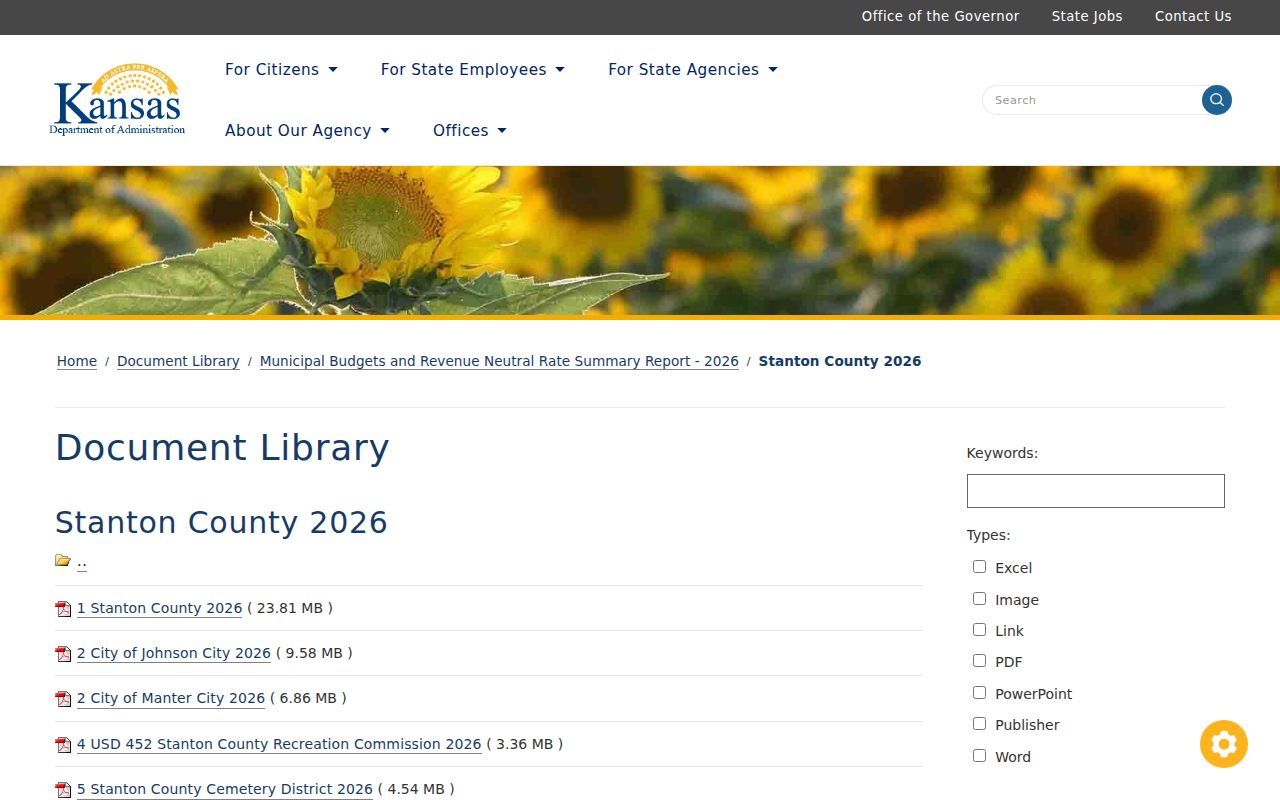
That distinction keeps budget and government records from being mistaken for a case docket.
Manter Docket Contact First
The League of Kansas Municipalities listing carries a July 2, 2026 update. It gives P.O. Box 98, Manter, KS 67862, phone 620-493-3721, and fax 620-493-3188. Office hours run Monday through Thursday. They are 9:00 a.m. to noon and 1:00 to 4:00 p.m. Linda Steimel is listed as clerk. Those facts reflect the listing date, so confirm them before any time-sensitive request.
City of Manter
P.O. Box 98
Manter, KS 67862
Monday through Thursday
9:00-noon and 1:00-4:00
620-493-3721
Ask the clerk about the current ordinance-court arrangement, the record custodian, any upcoming setting, accepted request methods, copy fees, and delivery choices. The listing opens a contact route. It does not prove that a municipal case, court session, balance, or judgment exists.
Verified fallback: Manter research begins with the city contact, not a presumed portal or court.
Manter Municipal Court Basics
Nobody has verified that Manter runs a municipal court today. The city offers no official court page with a judge, docket schedule, case search, payment tool, or record form. Kansas law does let municipal courts hear city-ordinance violations. That statewide authority says nothing about Manter's present local arrangement. The city must explain whether an ordinance matter goes to a municipal court, a designated judge, or another lawful process. Use conditional terms until Manter confirms the facts. Never promise that a citation will surface in a city docket or Kansas CaseSearch. The LKM "class three" city description identifies a municipality, not a court record. Do not infer court operation from it. A good call gives the citation number, date, issuing agency, and exact court wording. Then ask which office holds the current file.
Manter Docket Directory Limits
The LKM profile is a directory, not a docket. It supports the address, phone, fax, hours, and clerk name as of its update. The city classification comes from the same update. It supports nothing about an allegation, hearing date, fine amount, plea, disposition, warrant status, or copy charge. Those facts require a notice, record, or confirmation from the actual custodian.
| The listing supports | It does not support |
|---|---|
| Municipal contact route | Current court operation |
| Published office window | A hearing schedule |
| Clerk field and mailing address | A case result or balance |
| Class-three city profile | Portal or docket coverage |
That limit is useful. It stops a searcher from reading directory text as legal case information. Ask the identified office for a current answer, then note the date and the name of the office that gave the instruction.
Court Dates and Settings in Manter
Manter publishes no judicial calendar. Start with the date printed on the latest official paper in hand. Call the city to learn who handles the matter now. Ask where to verify the setting. If the city routes the case elsewhere, follow that instruction. When the paper names Stanton County District Court, use the state portal and the district clerk instead. The Stanton County government calendar is not a courtroom calendar.
| Date | The current date stated by the responsible court or official. |
|---|---|
| Time | The appearance time and whether it is a group docket call. |
| Location | The place on the latest notice or current confirmation. |
| Judge | The official identified by the verified custodian, if any. |
| Setting type | The stated appearance, trial, compliance, or other event. |
A reset does not dismiss the matter. If a date looks wrong or has already passed, contact the responsible office at once. Only that office can state the current setting and what step is available.
Manter Docket Questions to Ask
With no online docket, a well-framed inquiry saves time. State what the paper says rather than guessing its court. Give the exact identifier, issue date, issuing agency, and public name as printed. Ask whether the matter is municipal or state. Ask who holds the register and whether a hearing is set. If you need a copy, name the document and say whether certification is required.
- What court or official currently handles this ordinance matter?
- Who is the custodian of its record?
- Is there a citation or case number format to use?
- What is the current date, time, and appearance place?
- Can the record be inspected or copied?
- What current fee and delivery method apply?
A request for one order or register routes more easily than a request for "everything." Note the office you contacted and the date, because directory details and local assignments can change.
Traffic Tickets in Manter
A ticket tied to Manter can follow more than one route. Send a city ordinance matter to Manter first to confirm its present handling. A state traffic case naming Stanton County District Court can be searched through Kansas CaseSearch. Confirm it with the district clerk. The right path depends on the issuer and court printed on the citation. It does not depend on where the stop happened. Manter hosts no payment page or fine schedule. Ask the responsible court about the due date, appearance, contest process, and approved payment channel. Never send money through an unrelated service. A payment search may show an obligation. But it is not the full register of action, and it cannot replace a court copy. The KDOT resolutions index offers official city-name context, not traffic case data.
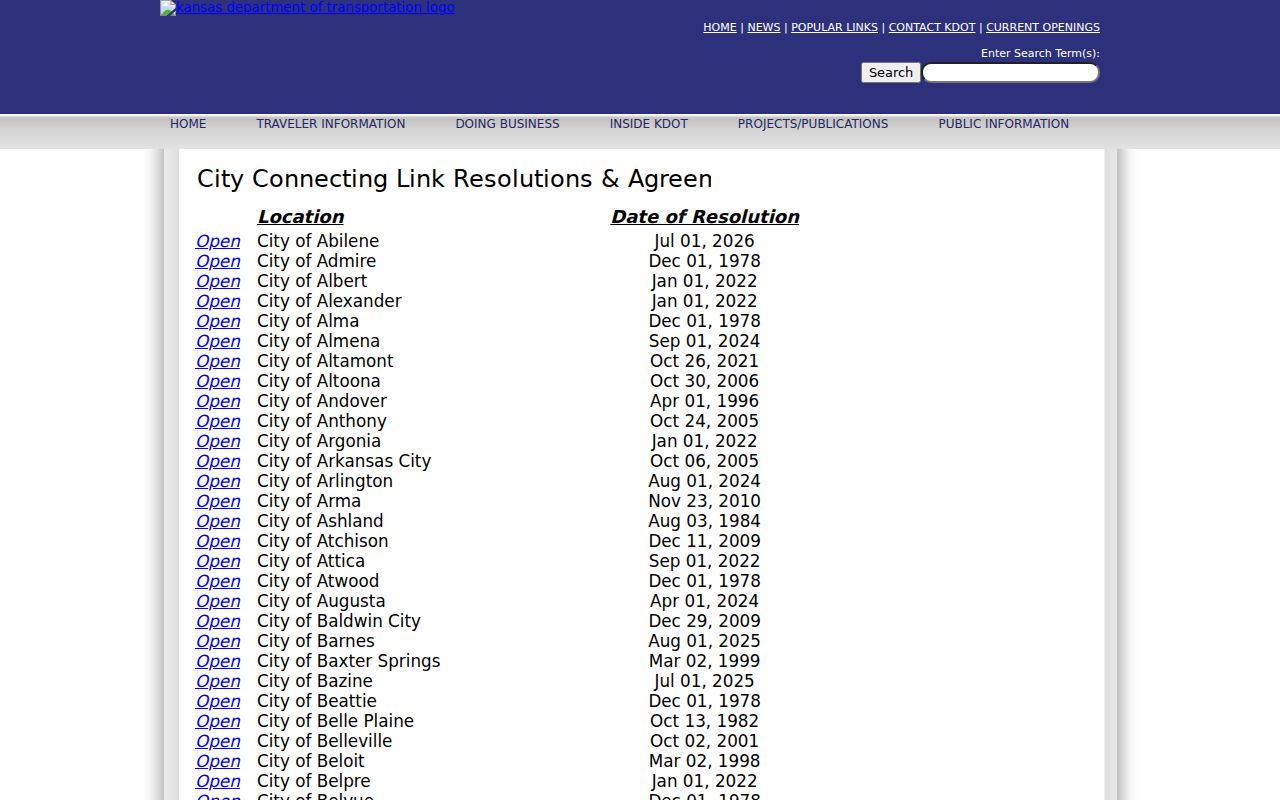
Its limits show why agency indexes should never be presented as Manter ticket dockets.
Manter State Docket Searches
State cases start with the right portal. Use the Kansas CaseSearch portal only after the caption or the clerk confirms the matter belongs to state District Court. Pick District Court from the menu, then Stanton County. The complete case number works best when you have it. Without one, run a party-name search in the portal's Last, First format with its supported wildcard, then narrow by case type or date if you know those facts. A number like ST-2024-CR-000123 only illustrates the Odyssey shape; it is not a real case.
The portal may display a case number, the case type, public parties, the judge, events, and some documents. None of that display is the certified record. Older converted documents may still require a courthouse kiosk or a request to the clerk. A blank result can mean many things: a spelling slip, wrong dates, a bad number format, incomplete conversion, a sealed file, a restricted case type, or a municipal matter that never touched state court. For a state case, this portal is the public web entry. For a city question, return to Manter.
Where Manter Cases Go
First figure out what kind of case you actually have. A Manter ordinance matter must be checked with the city. That check tells you whether it produces a municipal record and which official keeps it. State cases travel a different road. Criminal, civil, probate, family, juvenile, traffic, and small-claims cases all belong to Stanton County District Court. If a Manter ordinance case ends in a municipal judgment, Kansas law allows an appeal. That appeal creates a separate district-court record. The path is conditional, though. It does not prove Manter runs a municipal court today, or that any appeal has been filed.
Docket flow: Manter city contact › confirmed local handling, if any › Stanton County District Court for a qualifying appeal
An appeal does not erase the original. The city keeps its local record even after the appeal receives a district case number of its own. Search the new state case separately. The Kansas municipal appeal statute spells out the legal route, but the city and the district clerk decide whether it fits any actual record.
Manter Older Docket Documents
Older documents are a common gap. A confirmed state case may show an online event index while the paper itself stays missing. Kansas's Odyssey transition left limits on some converted material. The official district-court records guidance draws the line between case information and filed documents. It also explains the courthouse-terminal fallback. For a state file, contact Stanton County District Court at 201 N. Main Street in Johnson City. You can also call 620-492-2180. A Manter municipal question stays with the city. Send it elsewhere only if the city's verified contact says so. Proximity is not authority. Do not ask the district clerk to certify a city file just because the county courthouse is the closest office. Name the exact filing you need. That could be a register, an order, a judgment, or another specific document. Fees change. Ask the office holding the record for its current copying and certification charges.
- Register of action
- The dated index of case activity.
- Converted document
- An older file moved into a newer system with possible online limits.
- Certified copy
- A copy authenticated by its lawful custodian.
Manter Docket Local Context
How big is Manter? The 2020 Census counted 132 residents. It also counted 83 housing units and 644,811 square meters of land. By population, that makes Manter the second incorporated city in Stanton County. Those figures say nothing about court business. They carry no caseload, ticket count, or hearing schedule. Small scale does not dissolve the city's separate municipal authority. Ordinance-record questions stay city questions rather than sliding into county court assumptions. The Census incorporated-place table holds the official figures behind that ranking.
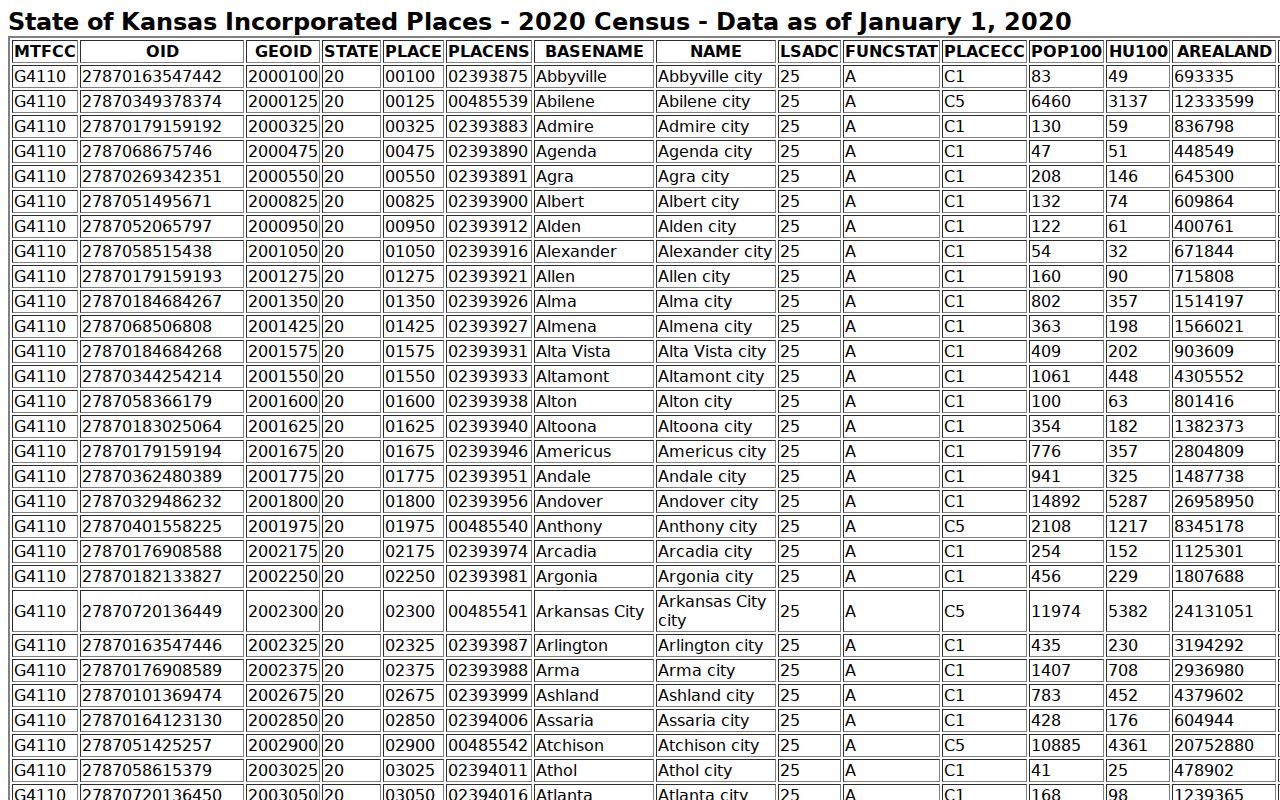
Population is only context. Each record question still has to go to the city contact for its answer, and the Kansas Historical Society county profile identifies Stanton County and its county seat.
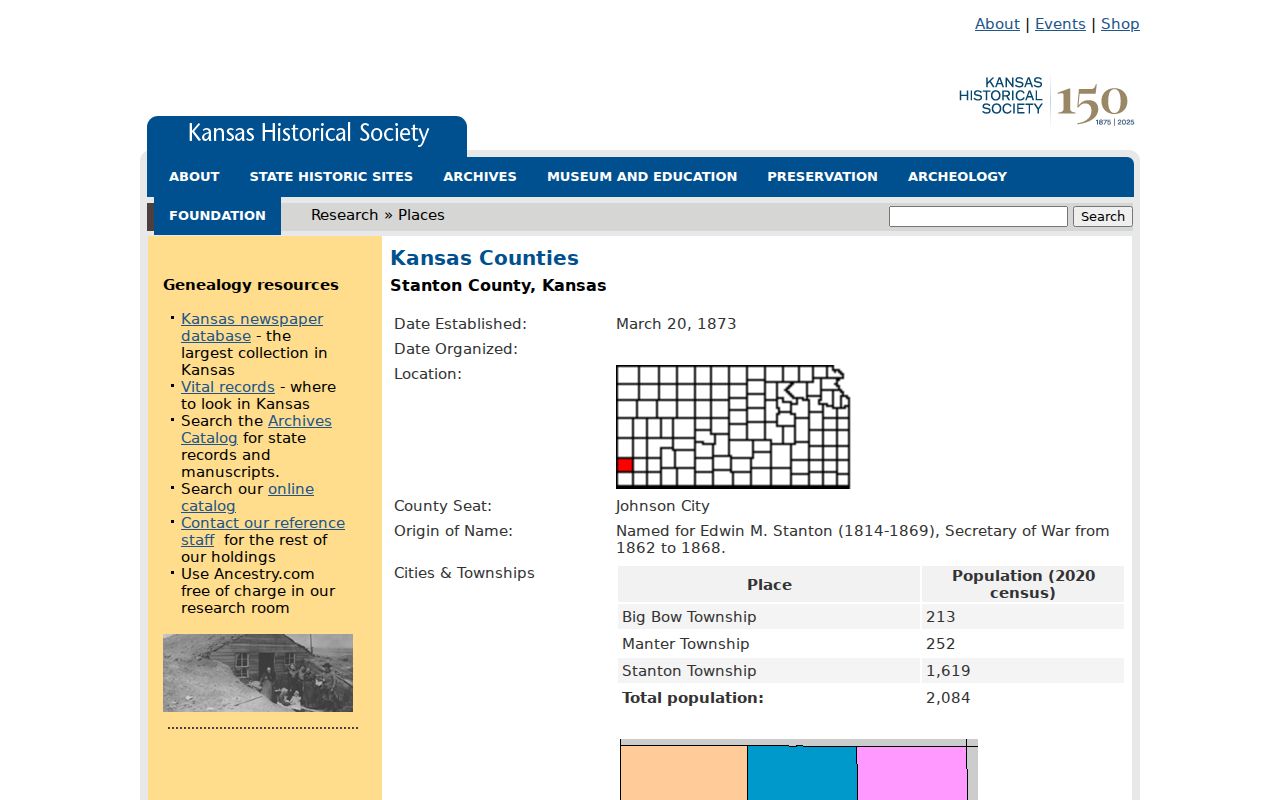
History can aid research, not prove court access.
Manter Court Record Access Rules
Kansas public-record law opens the door, with exceptions. A Manter city record starts with the verified municipal contact. A state court record is different. There, judicial rules and the district clerk govern what you can see. Even a public index does not promise every document. Sealed, expunged, juvenile, and adoption files may be restricted, and sensitive personal details are often redacted.
Key rules:
Kansas Open Records Act provides request procedures and lawful exceptions.
Kansas Supreme Court Rule 22 governs electronic district and appellate record access.
Rule 106B defines a register of action and public-terminal access.
A public docket earns its keep in small ways. Use it to follow a case, confirm a court date, or understand a filing. It can also trace old matters. Before relying on any material fact, verify it with the office that holds the record. The Stanton County history bibliography points to historical sources rather than current court records.
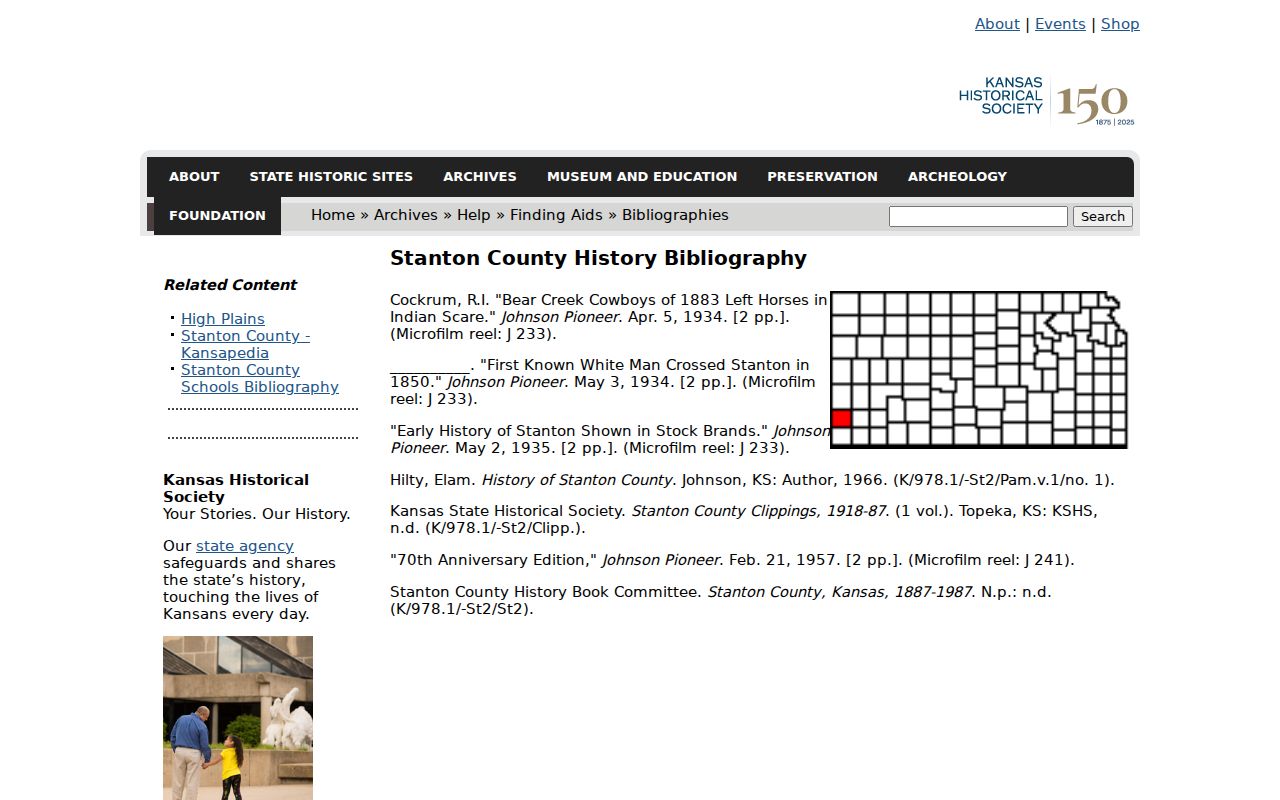
Old newspapers and county histories help with genealogy. They cannot replace a current docket or a certified court file.
Manter Docket Verification
Precision matters in Manter. Name the city. Quote the issuing authority, give the case identifier, and state the record you want. An ordinance question may get routed to whichever office holds it now. If Manter says the paper is not a city matter, ask which agency should receive it instead. Remember the limits in both directions. A Manter contact cannot certify a Stanton County court file. The district clerk, in turn, does not keep every municipal record. Save each response with its date, because assignments change over time.
For older Manter material, treat history sources as leads only. A mention of Manter in a newspaper, budget, KDOT index, or county book is not a docket entry. Hand the clue to the Manter office. Ask whether a register, order, citation, or archived file still exists. If the trail points to a state case instead, take the district route. That way, local evidence guides the search. It never turns context into an unsupported claim about a Manter court record.