
Searching Stanton County Criminal Dockets
For an online Stanton County court docket search, start with Kansas CaseSearch. Pick District Court, select Stanton County, then apply the Criminal filter. A full case number works best. Names can help too. Narrow any name search by county, case type, and a rough filing-date range. Two people can share a name, so a match alone proves nothing about identity.
When the portal comes up short, go straight to the Stanton County District Court. The clerk answers register-of-action questions. Ask whether a document is viewable on the courthouse terminal. The clerk will also quote today's price for a plain or certified copy. Questions also go through the county's official electronic contact form. Older converted documents and items the portal never displays are common. Those are exactly why these channels still matter for a Stanton County criminal docket.
- Open Kansas CaseSearch and select District Court.
- Choose Stanton County and the Criminal case filter.
- Enter the full case number, or search Last, First with a useful date range.
- Open the likely match and compare the case number, court, filing date, and public events.
- Ask the clerk for a specific public document or certified disposition when the register is not enough.
Stanton Criminal Docket Number Clues
Stanton County joined the Kansas Odyssey environment on September 12, 2022. Since then, case numbers follow the state's newer pattern. You get a county prefix, then the year, then a case-type code, then a six-digit sequence. On a criminal docket, the type code is often CR. Copy the number exactly as it appears on any notice or order. Keep the prefix and the leading zeroes. Resist the urge to reconstruct it from memory.
Older filings look different. A Stanton County criminal docket from years back may carry an earlier number format. Its index may have been converted even though some old documents never made it onto the public web portal. That gap does not mean the filing disappeared. Bring the number and the rough year to a courthouse terminal. Or hand them to the clerk. One more distinction matters here. Kansas eFlex serves authorized filers, not the public search.
The portal's wider traffic and criminal categories don't always show up as separate boxes in the public form. Pick Criminal first. Then check the number and event details to make sure you've landed on the right case, since misdemeanors and citations don't all travel the same route.
Inside a Stanton County Criminal Docket
Kansas Supreme Court Rule 106B gives this record its formal name: a register of action. Think of it as a dated list of activity in the case. It gives brief descriptions of filings, orders, hearings, judgments, and other events. It works as an index rather than a story of the evidence. What you actually see depends on the case's status. The rules that govern public access matter too.
| Case number | The court identifier, with newer cases using a county-prefixed Odyssey format such as ST-2025-CR-000000, shown only as a format example. |
|---|---|
| Case and party data | Public case type, filing date, available party or attorney data, and the judicial officer. |
| Charges | Charge labels exposed by the public system. A charge remains an allegation unless the court record resolves it. |
| Events | Arraignments, settings, motions, orders, continuances, and other chronological activity. |
| Disposition | Public entries for plea, diversion, dismissal, judgment, sentencing, appeal, or another recorded outcome. |
When exact wording counts, open the filed order or judgment itself. Entries get amended, corrected, continued, or vacated over time. And remember, the web display is not a certified court record.
Stanton Criminal Docket Terms
Read forward, not backward. An early setting or filing is just one step in the sequence of a Stanton County court docket. Later docket entries can change what an earlier one means, so the most recent public entry is the one that settles it.
- Filed
- Received or entered by the court, not proved.
- Arraignment
- An appearance when the charge is presented and a plea or response is addressed.
- Deferred or diversion
- A conditional route whose effect depends on the order and Kansas law.
- Dismissed
- An outcome that still needs context, including whether it was with or without prejudice.
- Sentenced
- A sentencing event or order, not proof that every later condition is complete.
- Appeal
- A request for qualifying review in a higher court, not a new trial-level finding.
How a Criminal Case Moves
Every criminal docket in Stanton County starts somewhere, usually with a filed charge and a first court setting. Arraignment comes next in most cases. That is when the defendant appears formally. The charge, along with the response to it, gets addressed on the record.
From there the docket fills with pretrial entries. Motions show up, discovery activity is noted, continuances push dates back, and scheduling orders keep the case organized.
Not every path looks the same. A case may end in a plea, diversion, dismissal, or trial, or move toward some other lawful outcome the court enters. When sentencing follows, the docket records it as its own event or order.
Docket flow: Filing › Arraignment › Pretrial › Plea or Trial › Disposition › Sentencing
Treat the flow as a reading aid rather than a fixed route. Cases skip steps all the time.
Watch for resets too. A reset only moves a date; the charge itself stays the same. And a closed status on the docket does not automatically mean acquittal, dismissal, satisfaction, or expungement. Those are separate outcomes with separate entries. For a matter of your own, the Stanton County case lookup is the practical next step.
Stanton Criminal Dockets by the Numbers
Kansas publishes a yearly criminal dispositions report. The one covering the year ending June 30, 2025 offers handy local context with no private case details in it. Stanton County logged 18 felony dispositions and 29 misdemeanor dispositions. That is 47 total across the two rows.
The report breaks each group into categories. Deferred or diversion, dismissal, guilty-plea, trial, and other outcomes are all counted separately.
Think of these numbers as a tally of events across a reporting period. No figure names a person. They were never meant to. None of them settles what happened in any single Stanton County criminal docket. The 2024 DUI report counts one reporting slice only, not a full criminal history for the county. Statistics can frame the workload. But they can never replace the court's own judgment on a case.
Stanton Criminal Dockets in District Context
Stanton County sits in the Twenty-Sixth Judicial District alongside Grant, Haskell, Morton, Seward, and Stevens Counties. That six-county layout matters. A judge's name or a district-wide report does not prove an event took place in Johnson City. For a location check, rely on the county field of the case. Use the Stanton County District Court heading instead.
District administration shapes local practice too. The Twenty-Sixth District rules cover assignments, continuances, sentencing, juvenile practice, and filing across all six counties. Those rules explain how an event ends up on the register. Yet the newest order entered in the individual case still controls the actual setting or deadline. If a district report and a case entry seem to clash, verify the case with the clerk. Never read an outcome into aggregate data.
Courts That Hold Criminal Dockets
Most Stanton County criminal cases sit in Stanton County District Court. It is part of the six-county Twenty-Sixth Judicial District. Felonies and misdemeanors both land there. Magistrate judges inside that district court handle assigned preliminary, misdemeanor, traffic, and other proceedings. That assignment does not create a separate municipal docket. City-ordinance cases go to Johnson City Municipal Court instead. Manter's ordinance-court setup is unclear, so ask the Manter city clerk where a city matter is kept. An appealed municipal case can later leave a district-court record. Federal matters belong to federal court and are searched through PACER. The Kansas criminal-appeal statute maps how appellate review runs on a track of its own.
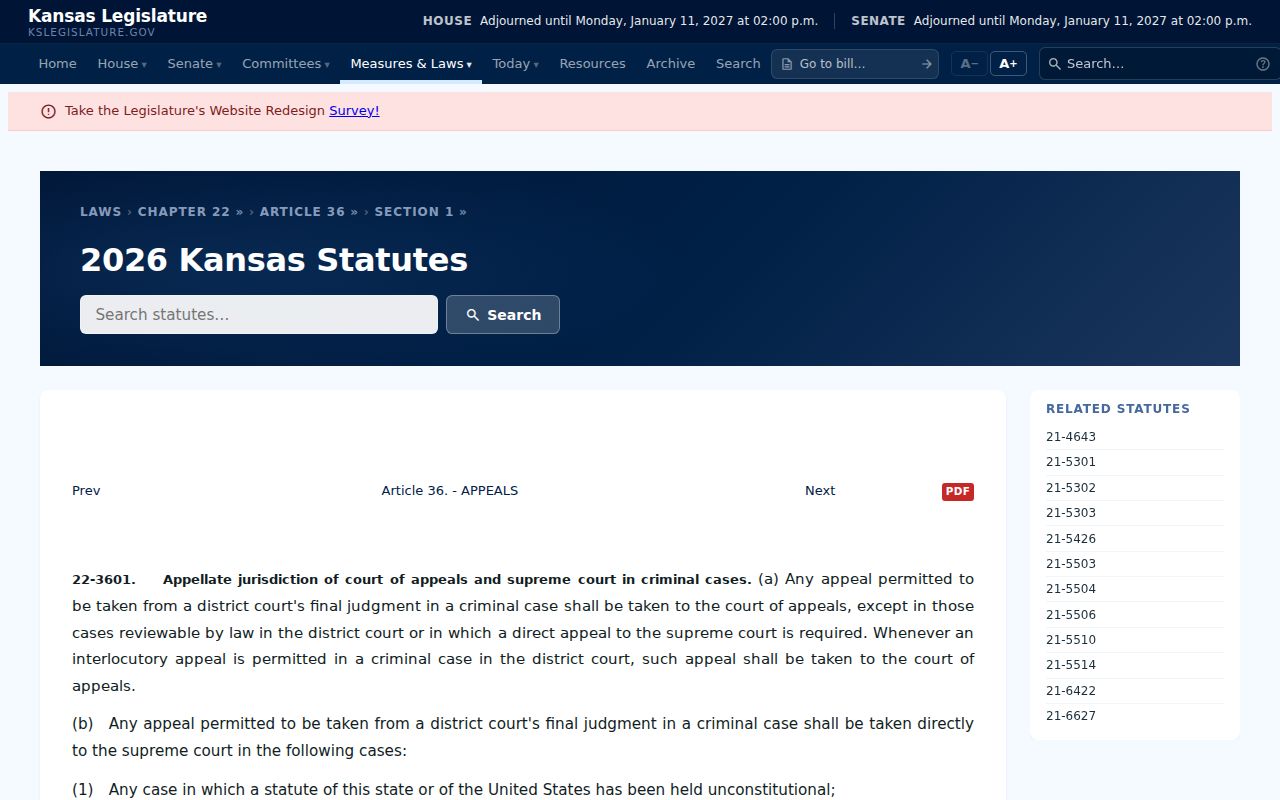
An appeal is not a second Stanton County trial. The official statute page makes clear that appellate review never replaces the local register of actions.
Payments Are Not Criminal Dockets
The county court page links online payment. But a payment match is not the full register of action. It only shows a payable balance. The Central Payment Center searches eligible obligations by citation or case number. It also searches by driver-license details, or by name with other required fields. It can settle what you owe. It will not show motions, hearing history, an official judgment, or a later clerk correction. The official Kansas Central Payment Center keeps that job separate. It is not the Stanton County criminal docket.
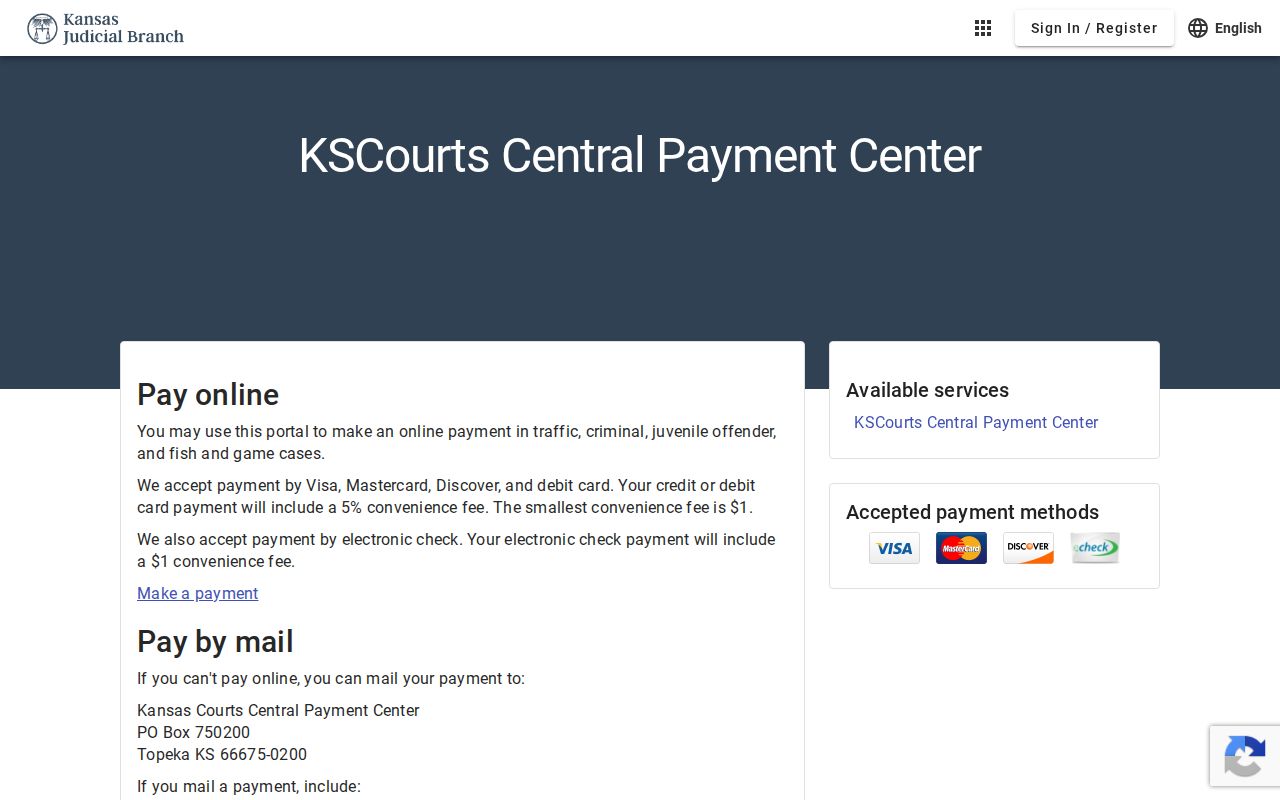
Use it only for an eligible obligation. For the Stanton County criminal docket, case events, or a certified disposition, go back to Kansas CaseSearch or the clerk.
Sealed Dockets and Public Access
Kansas Supreme Court Rule 22 allows public access. That access covers a public case-record and events index through the portal and a courthouse terminal. Access still turns on case type, document type, statute, rule, and court order. Sealed and expunged records stay hidden. So can protected victim data, grand-jury material, and other sensitive records. Those may be withheld or shown only in limited form.
Key access rules:
Kansas Supreme Court Rule 22 sets the limits for public electronic court-record access.
Kansas Supreme Court Rule 106B defines the register of action and terminal access.
Kansas Open Records Act, Chapter 45 governs requests subject to exemptions and judicial rules.
An empty result proves nothing. It does not show that no record exists, that a record was expunged, or that a person has no criminal history.
Missing Stanton Criminal Docket Documents
A case may show in the index while a filing does not. Check the event date and the label first. Records converted during the Odyssey change may not display online. The Stanton County courthouse terminal offers a wider public-access level. Even that terminal cannot override a seal or restriction. Some material stays closed no matter where you look.
For copies, contact the Stanton County Clerk of the District Court at 620-492-2180. The office sits at 201 N Main Street, Johnson City, Kansas 67855, with mail to PO Box 913, Johnson City, KS 67855. Published hours run Monday through Friday, 8 a.m. to noon and 1 p.m. to 5 p.m. Have the case number ready. Include the document title or event date, your preferred delivery method, and whether you need certification. Then ask for the current cost.
Still nothing in the criminal docket? The juvenile-document access statute spells out limits that can keep filings out of view, which is one reason missing material sometimes calls for legal review.
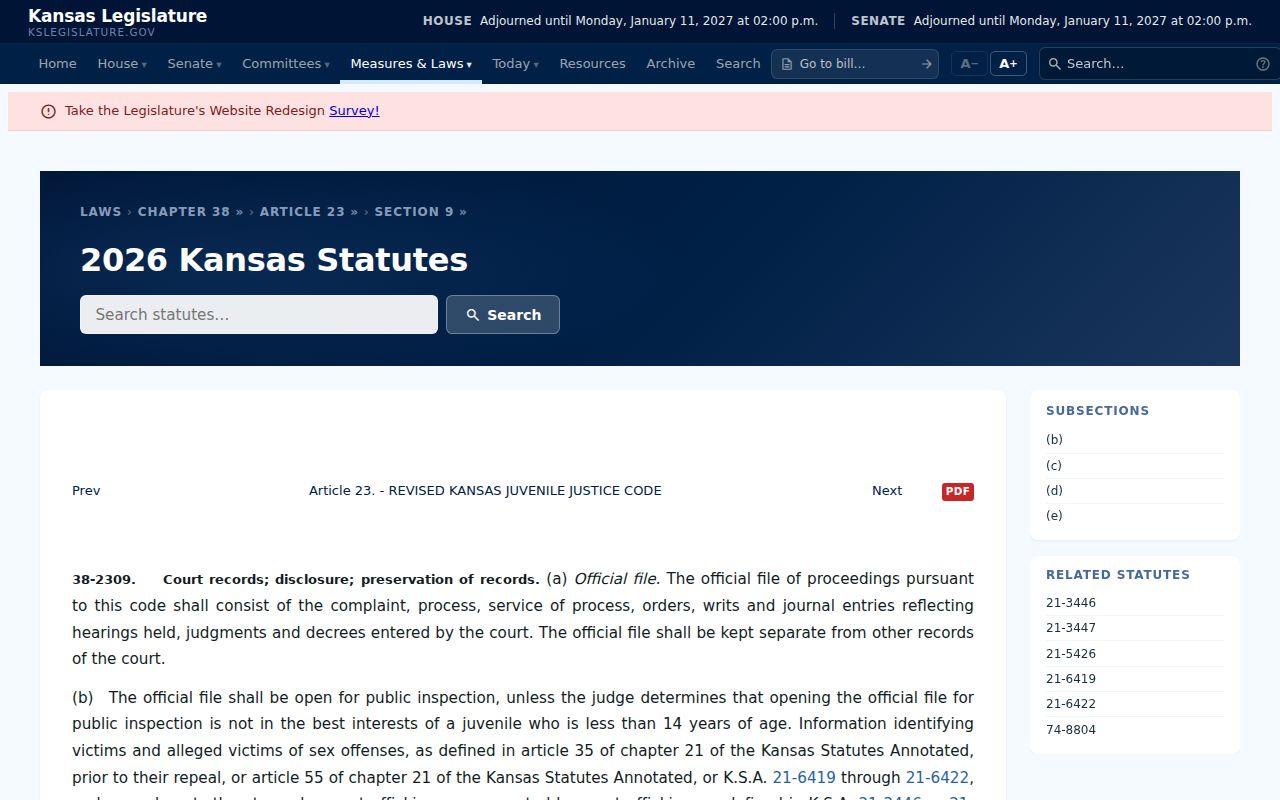
Age, case type, victim protection, and a court order can each limit what the public sees.